









In an ever-evolving tech landscape, the longevity of software support can be a game-changer for consumers. Recently, Apple announced that the iPhone 11 series will receive iOS 27, marking a remarkable seven years of major updates. This is a significant achievement when we compare it with the software support timelines of Android devices. In this article, we’ll explore what this means for users and how it highlights Apple’s commitment to its customers.
Table of Contents
- What is iPhone Software Support?
- The Apple Advantage
- Comparing iPhone Software Support to Android
- Future Implications for Users
- Conclusion
- Frequently Asked Questions (FAQs)
What is iPhone Software Support?
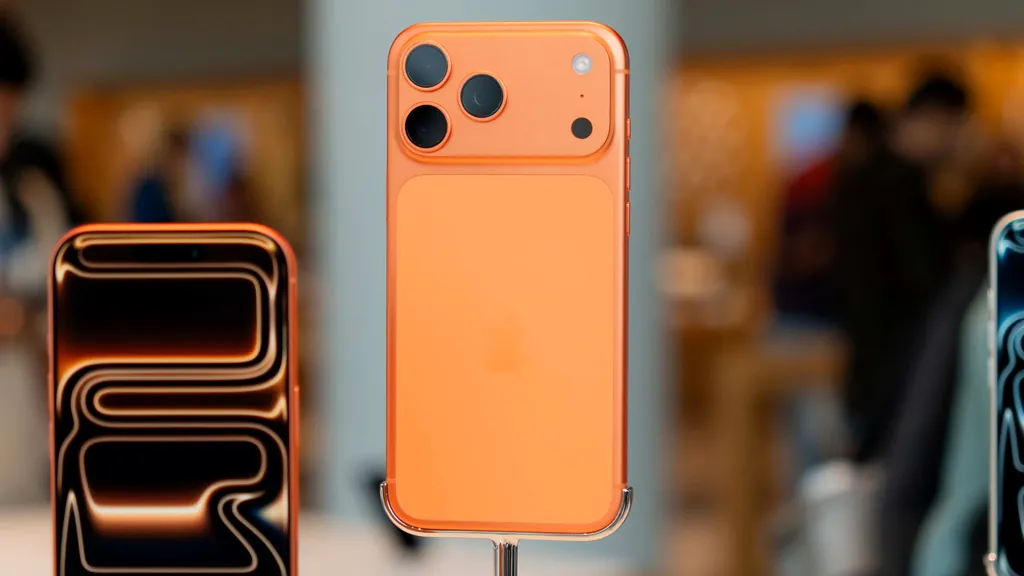
iPhone software support refers to how long Apple provides operating system updates and security patches for its devices. With each new iOS version, users can expect new features, improved performance, and enhanced security measures. The recent announcement about iOS 27 supporting the iPhone 11 series showcases Apple’s dedication to keeping older devices relevant.
The Benefits of Long-Term Software Support
Long-term software support not only extends the life of a device but also ensures that users have access to the latest technology and security features. This is particularly vital in today’s digital age, where threats are constantly evolving. Users of the iPhone 11 can enjoy the same features as newer devices for several years, enhancing their overall experience.
The Apple Advantage
Apple’s software support strategy has always been a strong selling point. The company has a reputation for prioritizing user experience and security, which is why many iPhone users remain loyal. The recent announcement at WWDC 2026 is a testament to this approach.
Long Software Lifespan
By supporting the iPhone 11 with iOS 27, Apple sets a benchmark in the smartphone industry. While many Android devices receive only three years of updates, iPhones can receive major updates for seven years or more. This extended support reflects Apple’s vision of providing users with value for their investment.
Consistency in Updates
Apple users benefit from a consistent update schedule. Unlike Android, where updates can vary significantly between manufacturers, iPhones receive updates directly from Apple. This ensures a smoother user experience and minimizes the frustration often associated with delayed updates.
Comparing iPhone Software Support to Android
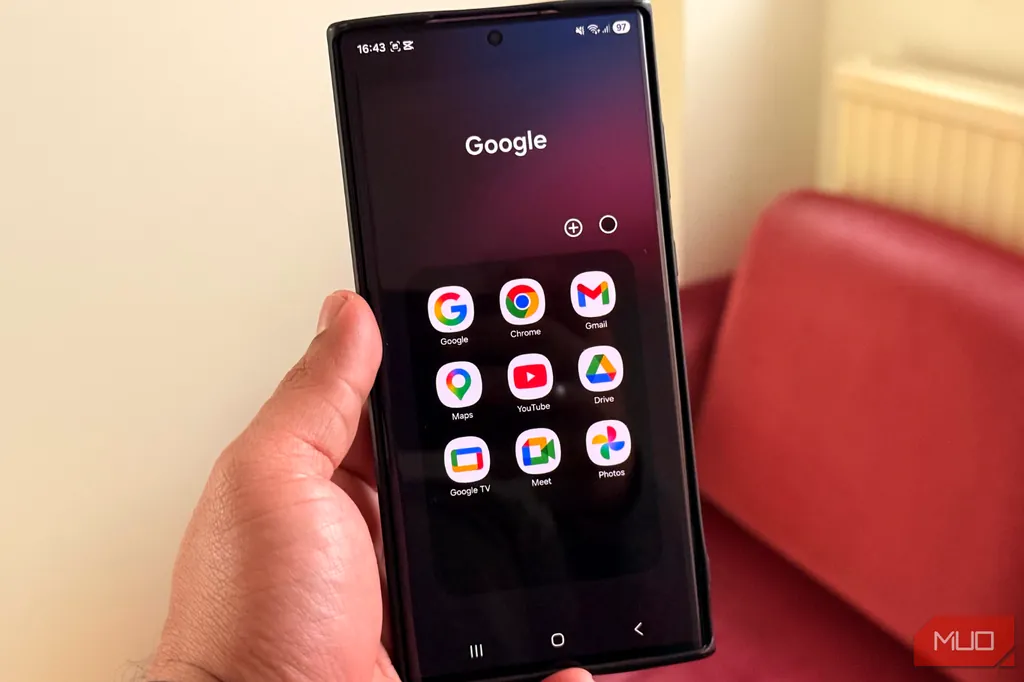
When we look at Android devices, the story changes dramatically. For instance, the Google Pixel 4 and Samsung Galaxy S10, both released in 2019, have only received three years of updates. This stark contrast raises questions about the value of purchasing certain Android devices compared to iPhones.
Impact on User Choice
This comparison impacts consumer decisions significantly. Many users may choose to stick with Apple products due to the assurance of long-term support. As smartphone updates become a critical factor in device longevity, Apple’s strategy becomes increasingly attractive.
Future Implications for Users
Looking ahead, Apple’s approach to software support might influence industry standards. As more brands recognize the importance of providing long-term updates, we may see a shift in how Android manufacturers approach this issue.
The Rise of Consumer Expectations
As consumers become more aware of the importance of software longevity, they will likely demand better support from manufacturers. This trend could lead to increased competition within the smartphone industry, pushing other brands to enhance their update policies.
Environmental Considerations
Furthermore, longer software support could lead to a decrease in electronic waste. By keeping devices functional longer, users are less likely to upgrade to new models frequently, which is beneficial for the environment.
Conclusion
Apple’s commitment to long-term iPhone software support highlights a significant advantage in the competitive smartphone market. With iOS 27 supporting the iPhone 11, Apple fans can feel confident knowing their devices will remain relevant for years to come. As we watch other manufacturers respond, it’s clear that software longevity is becoming a key factor in consumer choice.
Frequently Asked Questions (FAQs)
How long will Apple support my iPhone?
Apple typically provides software updates for iPhones for about seven years from the time of release, depending on the model.
What is the average software support duration for Android phones?
Most Android phones receive about three years of major platform updates, although this can vary significantly by manufacturer.
Why is long-term software support important?
Long-term software support ensures that devices remain secure and up-to-date with the latest features, enhancing user experience and device longevity.
Will other Android manufacturers follow Apple’s lead?
It’s possible. As consumer expectations rise, other manufacturers may feel pressured to improve their software support policies to remain competitive.
How does this affect the resale value of iPhones?
Long-term software support typically increases resale value, as buyers are more likely to purchase devices that will continue to receive updates.
For more information on Apple’s latest software updates, check out the detailed article on iPhone software support. If you’re interested in how other tech trends are shaping the industry, feel free to check out Why Enterprise AI Governance is Essential for Success.